
24/7 emergency call-out across North Wales

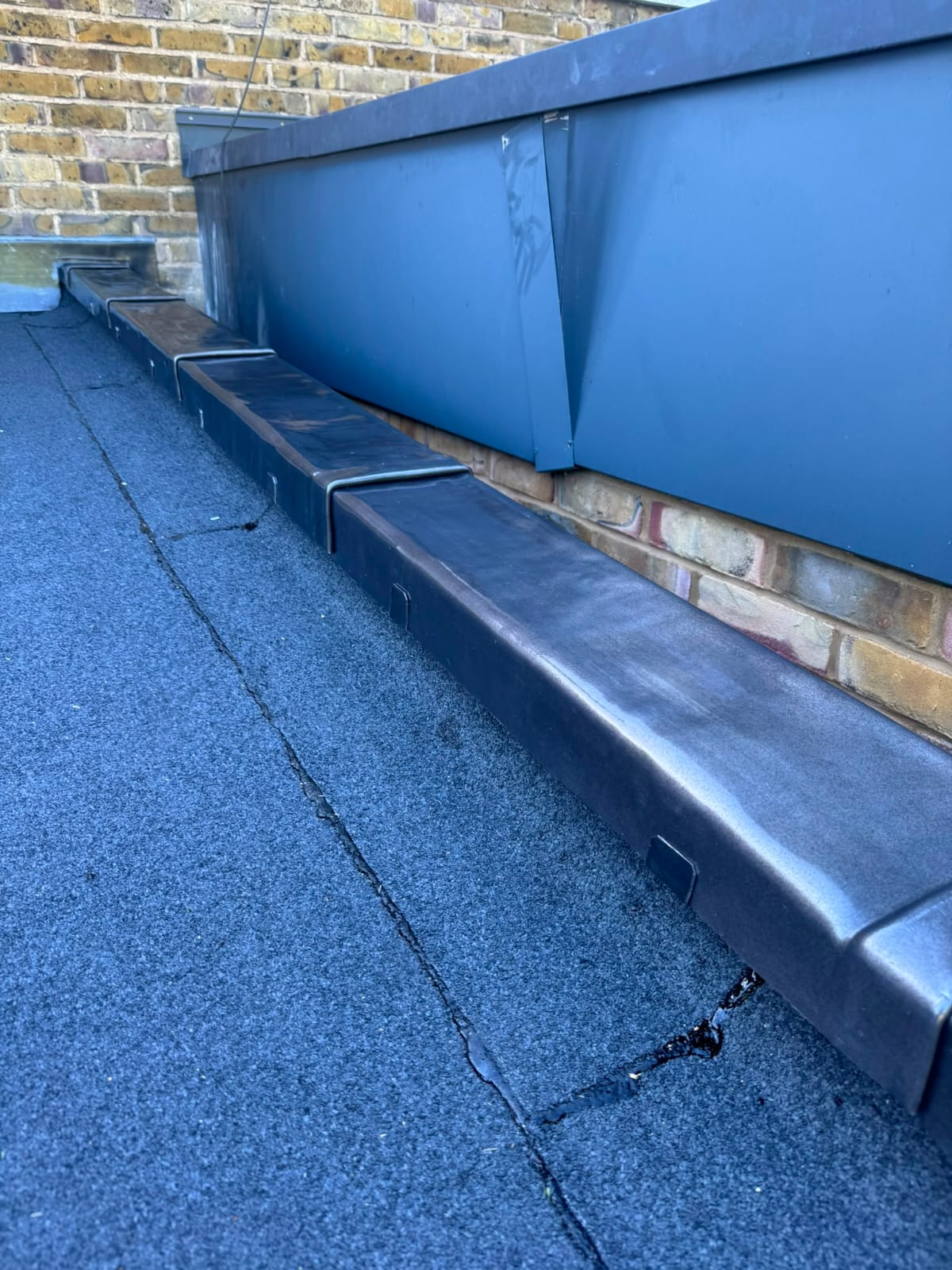
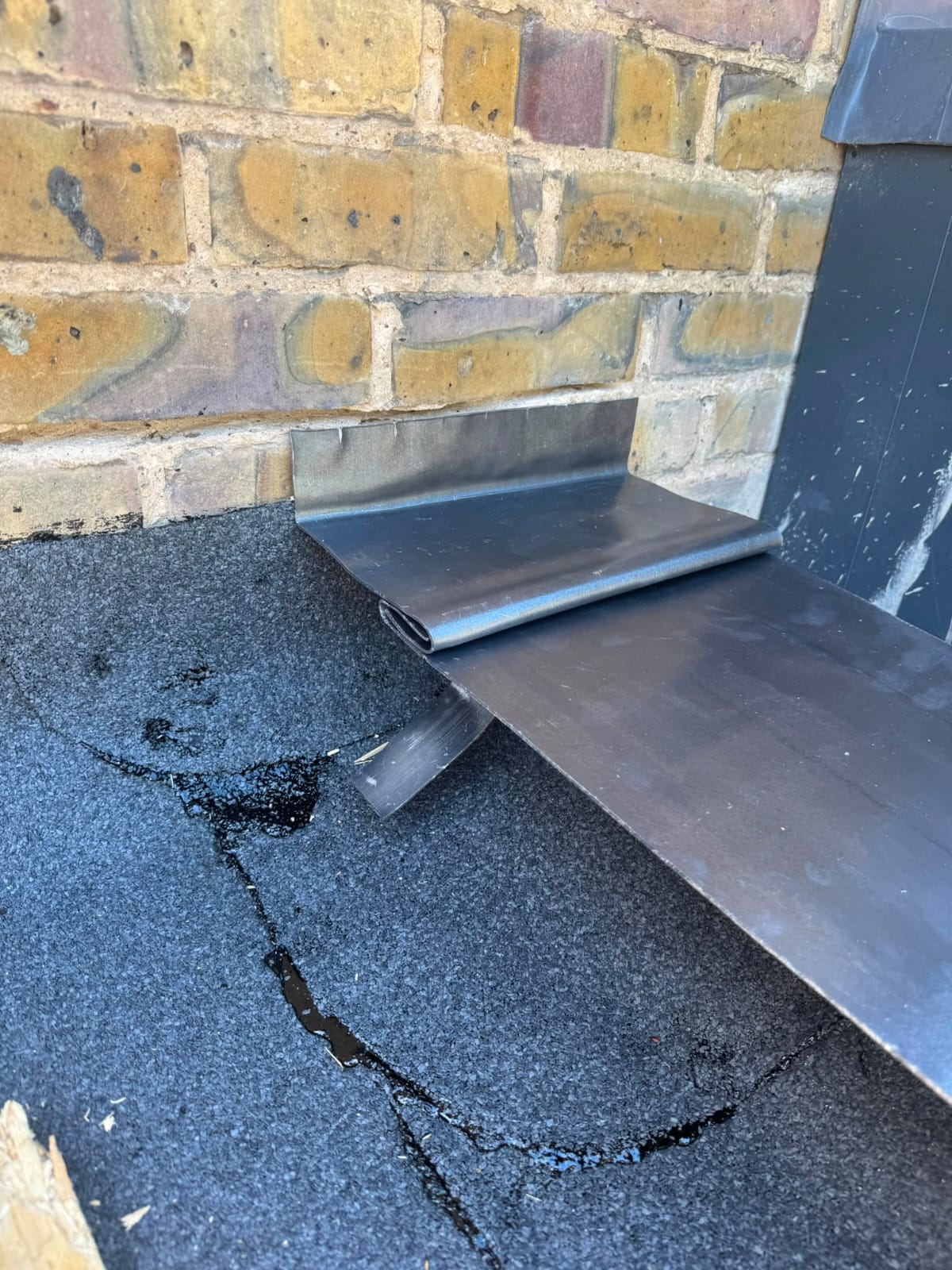
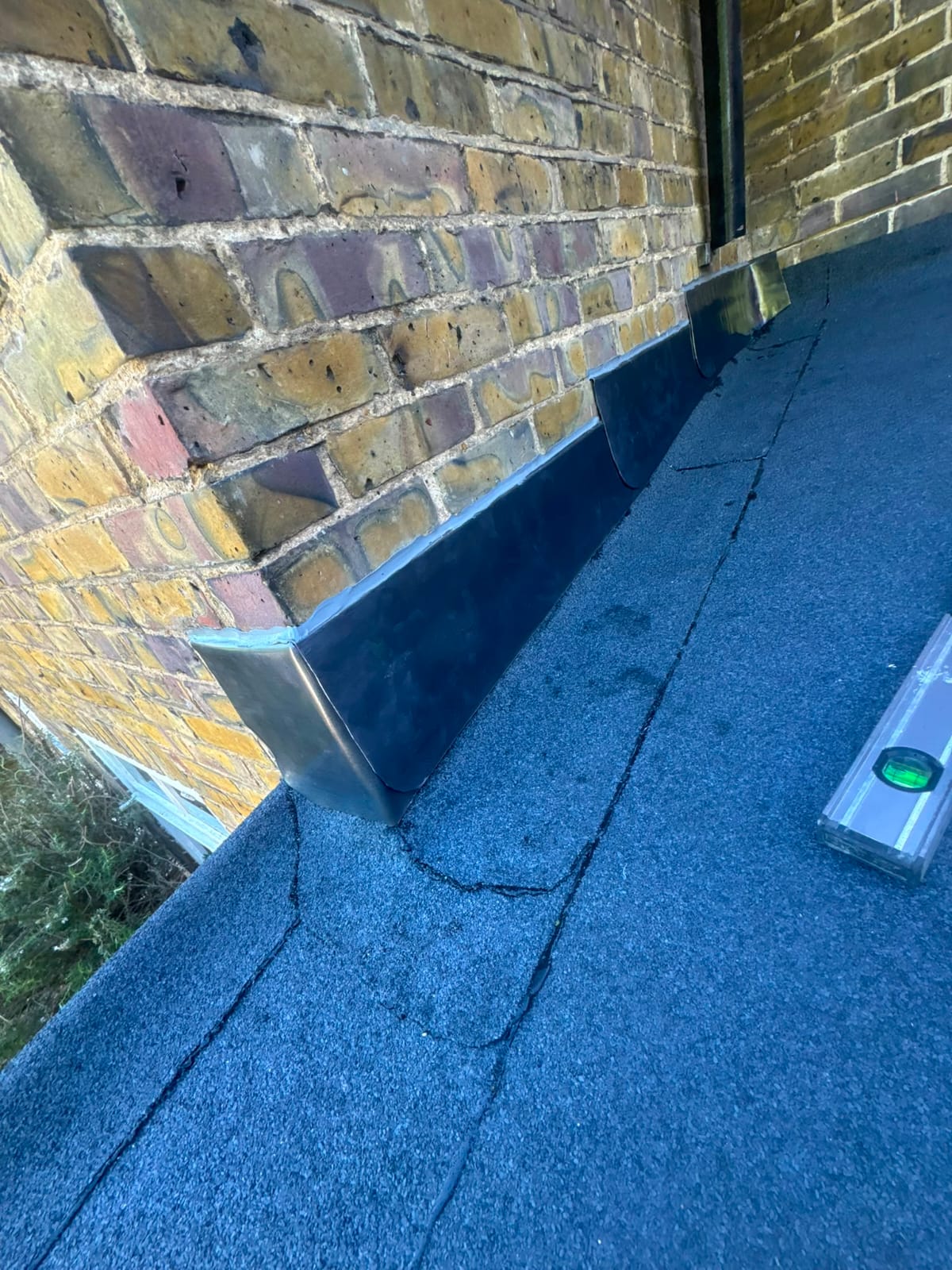
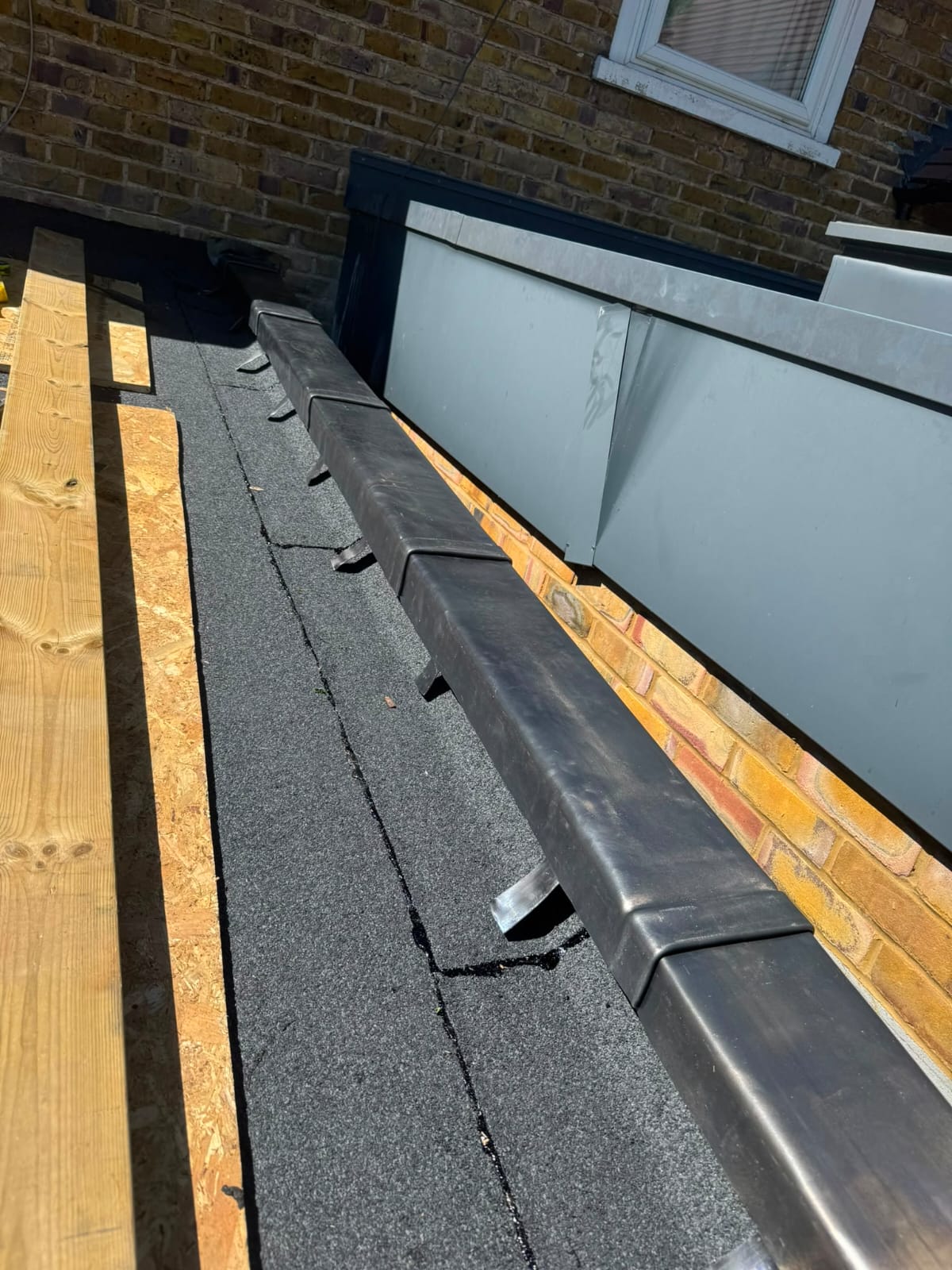
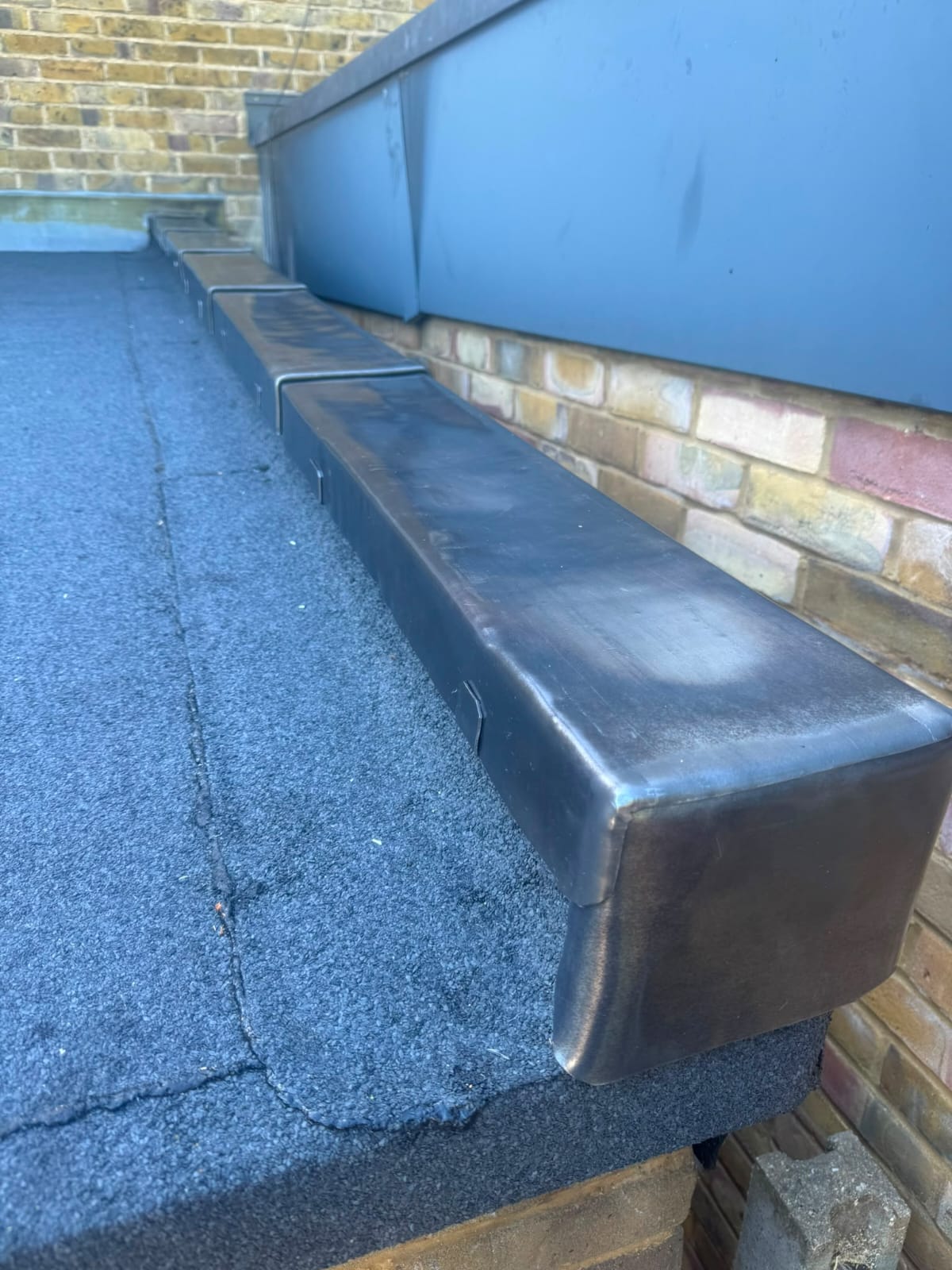
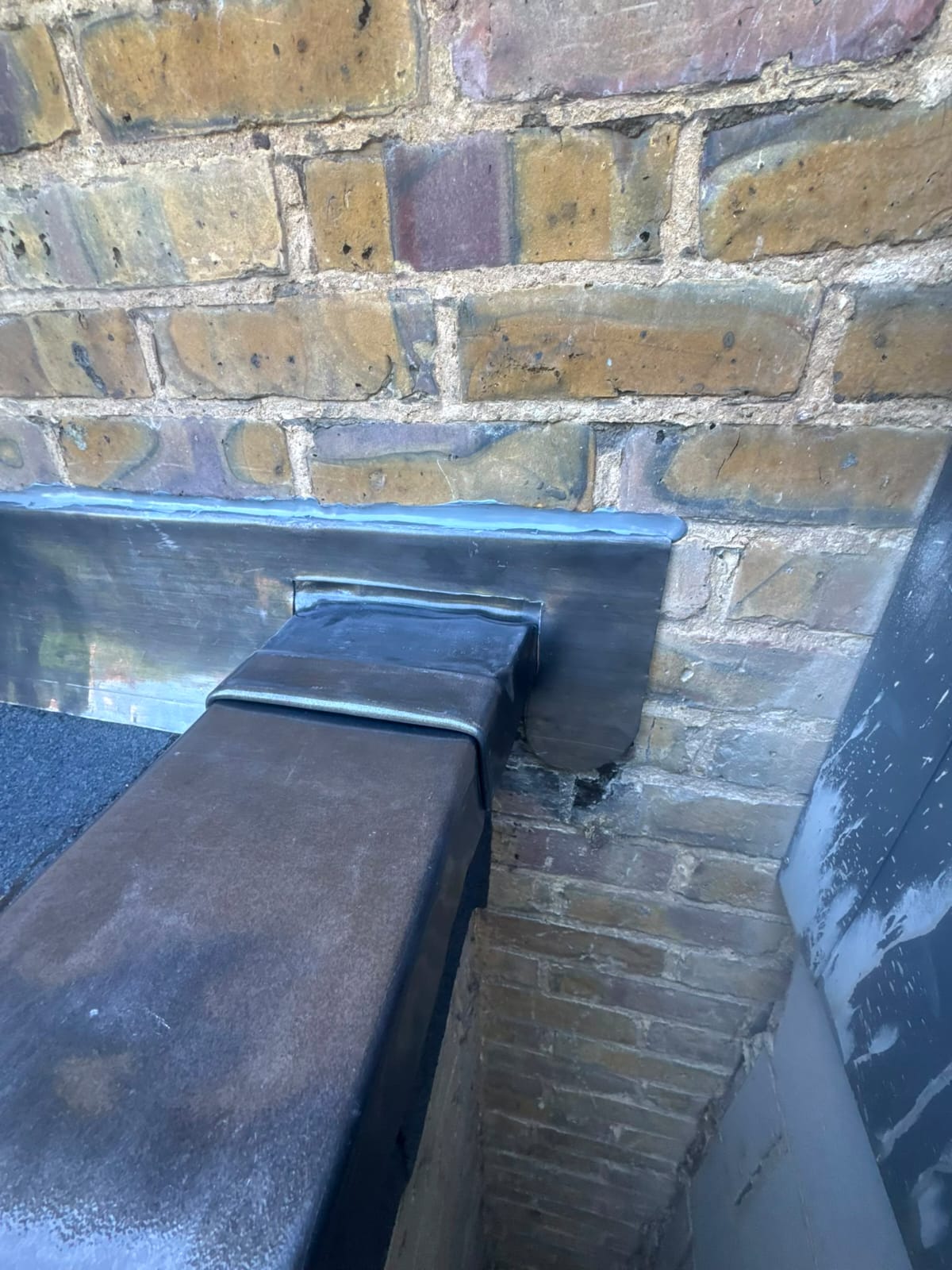
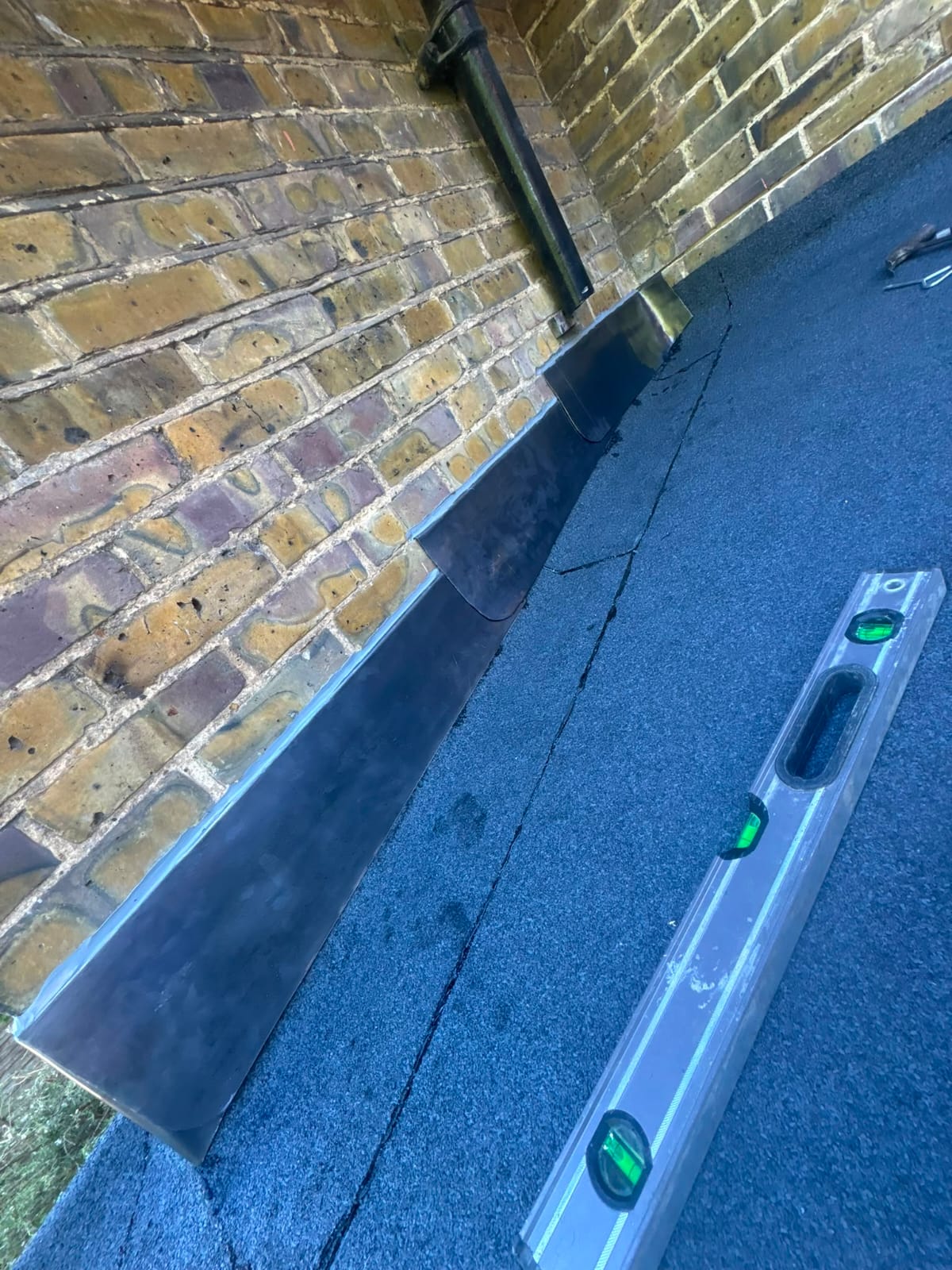
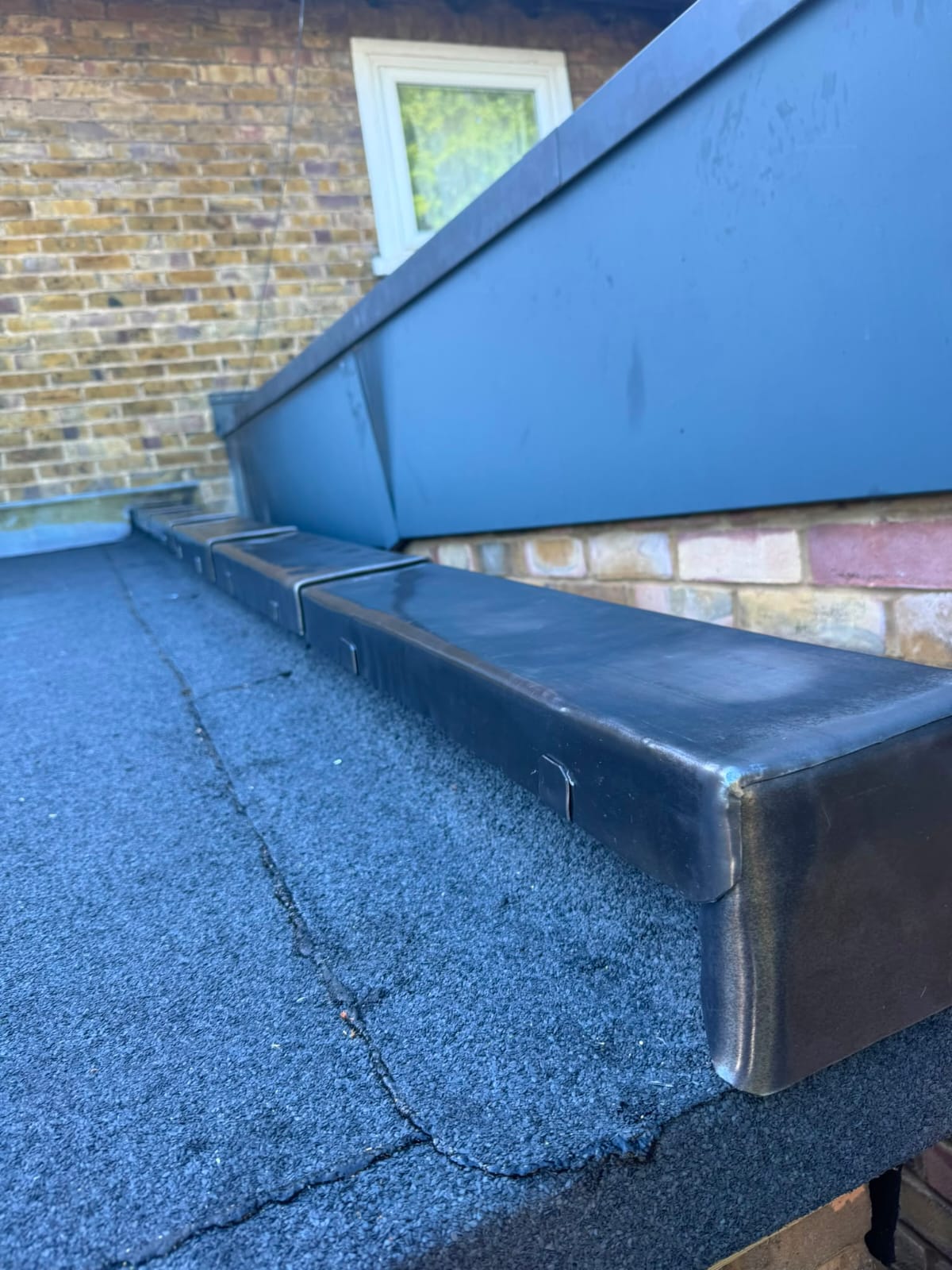
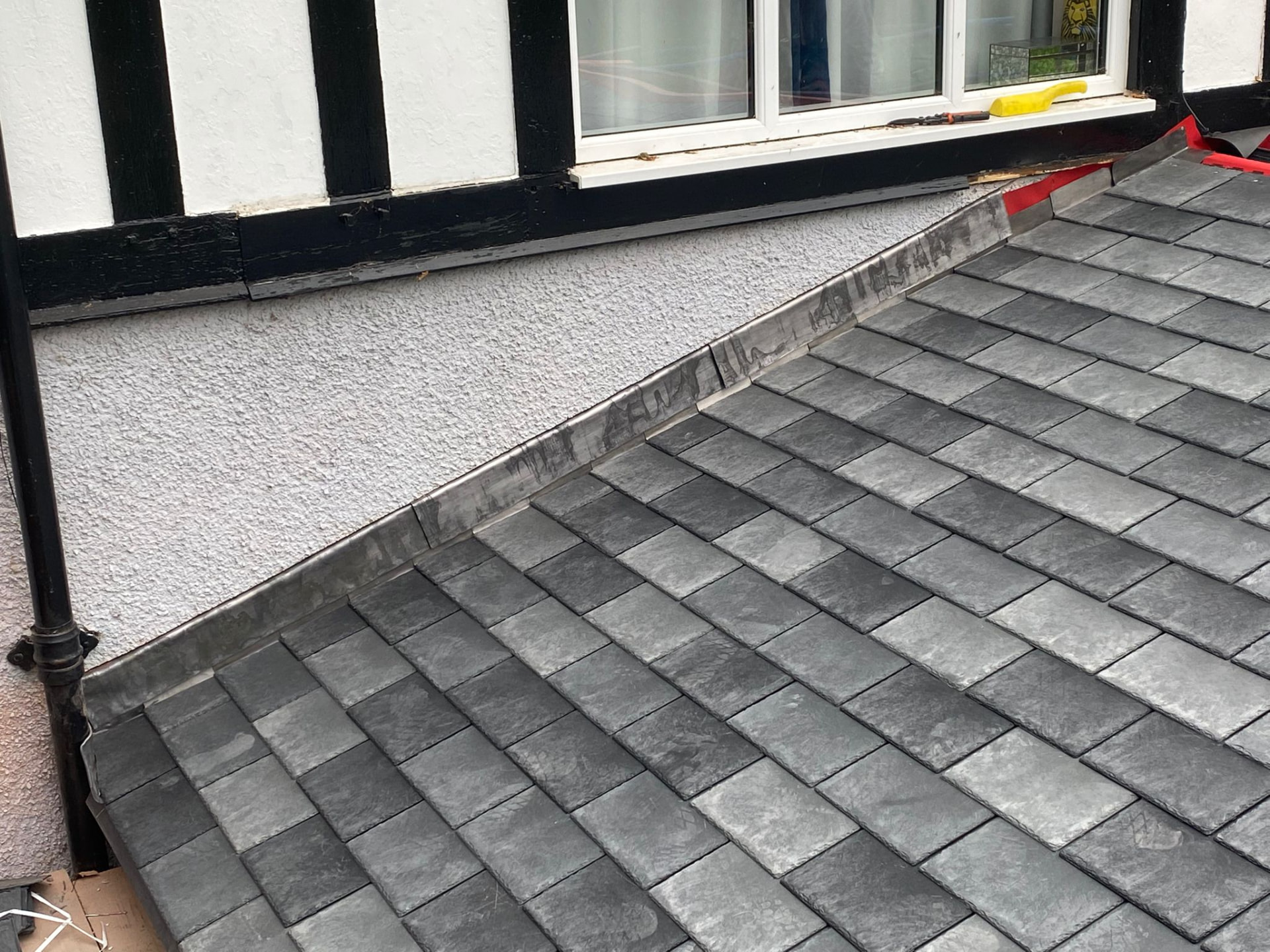
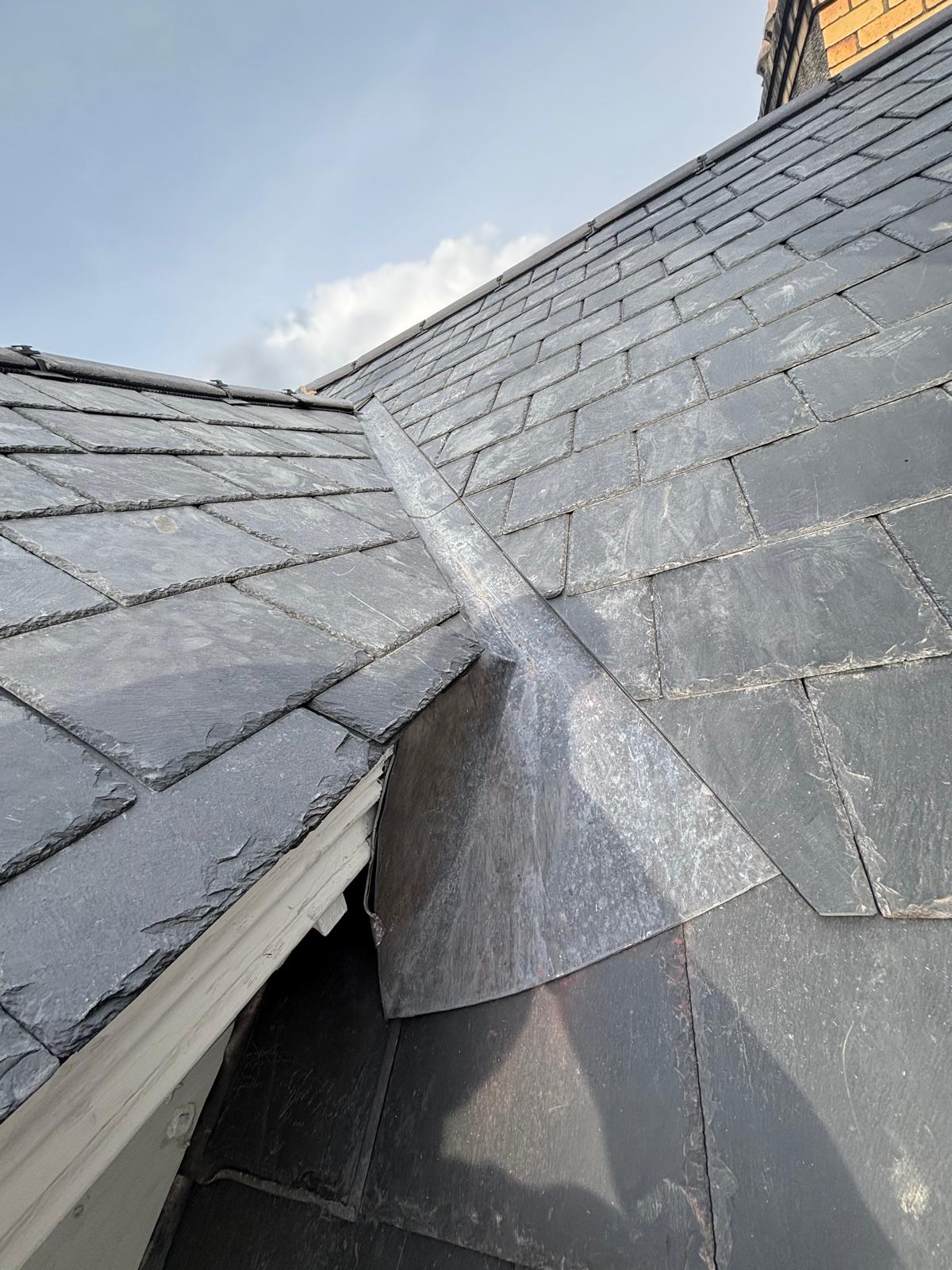
New lead flashing and lead-lined parapet gutter dressed against brickwork

Lead Work And Flashings
Across North Wales
Dressed, Not Stuck On

Chimneys, abutments, valleys, parapets and skylight surrounds detailed in the correct lead code with proper laps and expansion allowance, because this is where most roofs actually leak.

Traditional lead work · listed-building experience · free survey · fixed price

5.0 Google rating

13 reviews

Three generations

family roofing team

25-year guarantee

on every new roof

Fully insured

workmanship guaranteed

24/7 call-out

storm damage & leaks

Why Lead Work Decides Whether A Roof Leaks

Lead is the material used wherever a roof meets something that is not roof: a chimney, a wall, a parapet, another pitch, a skylight kerb. Those junctions are where water concentrates and where wind drives it upwards, so they need a material that can be shaped precisely and will last for decades. Lead does both, which is why it has been used on Welsh buildings for centuries.

The craft is in the detail. Lead has to be the right code, thickness, for the position and exposure. It has to be cut into a chase in the masonry and wedged and pointed, not smeared with mastic against a wall face. It has to be cut into manageable lengths with proper laps, because a long, continuous piece expands, buckles and eventually splits from thermal movement.

We carry out all lead work: stepped flashings, cover flashings, soakers, back gutters, chimney aprons, lead-lined valleys, parapet gutters and skylight surrounds: on repairs, on full new roofs and on heritage property.

Who Needs Lead Work

  • Anyone with damp on a chimney breast or at the top of an internal wall
  • Owners of properties where a previous repair used flashband tape or mastic
  • Extension owners with a leak at the junction of new roof and old wall
  • Listed and period property owners needing traditional detailing
  • Anyone having a new roof, dormer, skylight or chimney rebuild carried out
Book the free survey

What Failed Lead Costs You

Failed flashing rarely announces itself as a drip. Water runs down the inside face of the wall or the side of a chimney stack and shows as a damp patch on the chimney breast or a tide mark on the plaster upstairs. People treat the wall, replaster, repaint, put dehumidifiers in, and it comes back every winter because nothing was ever fixed on the roof.

Meanwhile the water is in the masonry. Damp brickwork and mortar erode, freeze-thaw takes the pointing apart, and the timber built into the wall, joist ends, lintels, the rafter next to the stack, stays wet. Chimney stacks that stay wet eventually need rebuilding, and that is scaffold, brickwork, new lead and a re-flaunched pot.

The cheap versions of this repair are the expensive route. Flashband tape lasts a couple of summers, mastic cracks within a year, and each failure means another access charge and more water in the same wall.

Bad Lead Work We Are Called To Replace

  • Flashband or self-adhesive tape used as a permanent flashing; it lifts as soon as it heats and cools a few times.
  • Lead face-fixed to a wall with mastic instead of being cut into a chase and wedged.
  • Single lengths of lead run three or four metres with no expansion joint, which split.
  • Lead code too thin for the position, so the flashing tears at the fold.
  • Cement fillets used in place of a stepped flashing on an abutment; they crack out every time.
  • Missing soakers on a slate abutment, leaving the cover flashing doing a job it cannot do alone.

How Lead Work Is Carried Out

Step 1: Inspection

We examine every junction on the roof: chimney, abutments, valleys, parapets, skylight kerbs. Inside, we look at where the damp is showing to confirm which junction is responsible.

Step 2: Diagnosis and specification

Photographs and written findings, plus a specification: the detail to be formed, the lead code, whether the masonry needs raking out and repointing, and whether any brickwork or flaunching needs attention first.

Step 3: Fixed-price quote

One fixed price for the work described, back to you the same day as the visit or the day after. Access is included; we carry our own scaffold towers for smaller jobs.

Step 4: Strip out and form the detail

Old lead, tape and cement fillets are removed. A chase is cut, the new lead is dressed to shape in the correct code, fitted in manageable lengths with proper laps and expansion allowance, wedged and pointed.

Step 5: Test, patinate and guarantee

The detail is water-tested, patination oil applied where appropriate to prevent white carbonate staining running down the wall, the site cleared, and the work covered by our workmanship guarantee.

The Difference Proper Lead Makes

The damp wall dries out

Fix the junction and the chimney breast stops rewetting each winter: replastering finally holds.

Decades, not seasons

Correctly coded and dressed lead is a long-life detail. Tape and mastic are measured in summers.

Masonry protected

Keeping water out of the stack and the abutment protects pointing, brick and the timber built into the wall.

No staining down the wall

Patination oil applied on new lead so carbonate does not wash white streaks over your stonework.

Right for heritage buildings

Traditional detailing suitable for listed and conservation-area property, matched to the building.

Guaranteed workmanship

All lead work carries our workmanship guarantee, whether it is one flashing or a full roof's worth.

Recent Lead Work Work

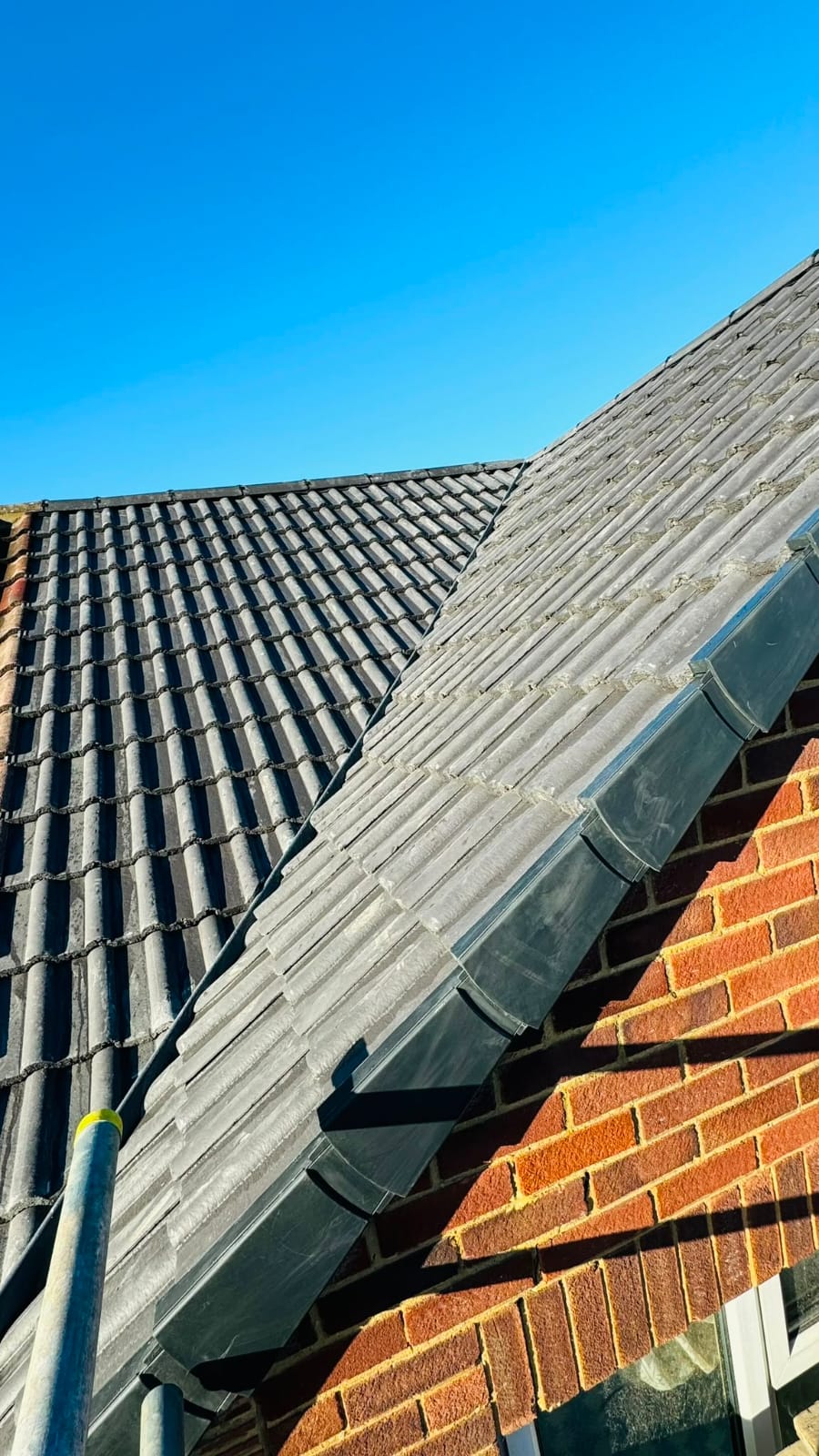
Lead flashing being dressed in around a chimney by a rooferFinished lead flashing and lead valley work on a slate roofFinished lead flashing and lead valley work on a slate roofFinished lead flashing and lead valley work on a slate roofFinished lead flashing and lead valley work on a slate roofFinished lead flashing and lead valley work on a slate roofFinished lead flashing and lead valley work on a slate roofFinished lead flashing and lead valley work on a slate roofFinished lead flashing and lead valley work on a slate roofFinished lead flashing and lead valley work on a slate roofFinished lead flashing and lead valley work on a slate roof

Lead Details We Form

Chimneys and abutments

A chimney needs a complete set of details working together: an apron to the front, stepped flashings and soakers up each side, and a back gutter behind. Any one of them missing or wrong and the stack leaks. On slate roofs, individual soakers are essential: cover flashing alone cannot keep water out of the slate courses.

Where an extension roof abuts an existing wall, a stepped cover flashing cut into the bed joints is the correct answer. Cement fillets, still common on older repairs, crack as the two structures move relative to each other and are one of the most frequent causes of persistent leaks we are called to.

Valleys and parapet gutters

Lead-lined valleys carry the water off two pitches into one channel and take more flow than anything else on the roof. They need adequate width, correct lead code, proper drips or laps to allow expansion, and clean cut slate or tile edges either side that will not obstruct flow.

Parapet and box gutters behind a wall are the highest-risk detail on any building, because if they overflow the water goes inside rather than outside. They need generous lead, correctly formed drips, and outlets sized and kept clear. On heritage buildings we renew them in traditional form.

Skylights, dormers and penetrations

Velux and other rooflights come with proprietary flashing kits, and on most modern roofs they are the correct solution. Where a kit does not suit, a non-standard kerb, an unusual covering, or a heritage roof where a proprietary kit would look wrong, the surround is formed in lead instead.

Dormer cheeks, soil vent pipes, flue penetrations and mechanical fixings through a roof all need a lead detail that allows the roof to shed water past them without relying on sealant. Sealant has a place as a secondary measure; it is never the waterproofing.

Lead codes and expansion

Lead is specified by code, which corresponds to thickness. Soakers and small details use lighter codes; flashings, valleys and gutters use heavier ones. Under-specifying is the most common way a lead detail fails early: the thin lead work-hardens at the fold and splits.

Every piece has a maximum recommended length because lead moves considerably with temperature. Exceed it and the lead ripples, then splits at the fixings. That is why properly formed lead work is made up of overlapping pieces with drips and laps rather than one long run.

Free survey & quote

Always free, always in writing, back to you same day or next.

Fixed price

Quoted as a fixed price, not a day rate. No creeping costs.

Guaranteed work

Workmanship guaranteed on all jobs. 25 years on new roofs; flat-roof warranties per manufacturer system.

Straight Answers

The questions we are asked most about lead work across North Wales.

Ask us directly on 07538 586813
How much does lead flashing cost?

It depends on the detail, the lead code and access: a single cover flashing is a modest job, a full chimney set with back gutter or a lead-lined valley is more. Survey and quote are free and the price is fixed.

How long does lead work last?

Correctly specified and dressed lead is a long-life detail, commonly outlasting the roof covering around it. Our workmanship guarantee applies to all lead work we carry out.

Can you just use flashband on my chimney?

We do not fit tape as a permanent repair. It lifts within a couple of years and the leak returns, so you pay twice. Where an emergency needs a temporary measure, we say clearly that it is temporary.

My chimney breast is damp, is that the flashing?

Usually it is the flashing, the flaunching or the pointing on the stack. The survey confirms which, with photographs, before anything is quoted.

How long does a chimney re-lead take?

A typical chimney flashing set is a one to two day job depending on access and whether the stack needs pointing or re-flaunching at the same time.

Why has white staining run down my wall from new lead?

That is lead carbonate from new, un-patinated lead. It is preventable, we apply patination oil on completion, and it can be cleaned off existing work.

Do you do lead work on listed buildings?

Yes. We have worked on multiple listed buildings in Betws-y-Coed, using traditional detailing appropriate to the property.

Can lead work be done as part of a new roof?

Yes, and it should be. Every abutment, valley and chimney is re-leaded as part of a full roof replacement: reusing old lead on a new roof is the most common early failure.

Book Your Free Survey
And Get A Fixed Price

Tell us what the roof is doing and we will come and look at it. You get photographs, a written account of the problems and a fixed-price quote, with no obligation to go ahead.

  • Free survey and written findings with photographs
  • Fixed-price quote same day or the day after the visit
  • Workmanship guaranteed; 25 years on a new roof
  • 5.0 from 13 Google reviews across North Wales

Roof leaking right now?

07538 586813

24/7 emergency call-out across North Wales.

Call nowFree survey